Utility-Scale Hydrogen Fuel Cell Power Plants

On-Site Zero-Emission Distributed Power Generation

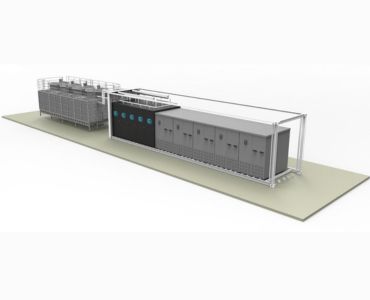
Custom on-demand clean power supply for grid-tied, industrial and off-grid premises can be delivered by our integrated methanol-fed hydrogen fuel cell generator. Equipment selection is determined by key indicators including rated power output, load variation range, fuel storage space, upfront capital cost and long-term operational expenses. As a professional Renewable Energy EPC Contractor focusing on industrial decarbonization, HYVODA supplies complete turnkey power stations built upon proven methanol reforming and PEM Electrolyzer technologies. Our hydrogen fuel cell generator supports continuous base-load electricity supply as well as emergency standby power. Our professional energy engineering team designs customized plant layouts and conducts full-lifecycle TCO evaluation for all renewable hydrogen projects, covering planning, construction and post-operation phases.

Methanol-to-Hydrogen Fuel Cell Technology:

We develop integrated systems combining methanol hydrogen production and fuel cell power conversion, all assembled inside a unified skid-mounted platform for our hydrogen fuel cell generator. Methanol serves as a secure, low-risk liquid hydrogen carrier, which eliminates safety hazards and excessive logistics costs brought by high-pressure hydrogen cylinder transportation and bulk gas storage tanks. Running autonomously with only liquid methanol and auxiliary industrial power as site utilities, the whole unit generates zero-carbon electricity with pure water as the only by product, standing as a core part of comprehensive industrial green hydrogen solutions.

Why Hydrogen Fuel Cell Generator

Fully Modular Scalable Capacity

Individual skid units can be gradually paralleled without overall plant reconstruction. Capacity can be expanded flexibly from small backup power to utility-scale distributed generation, covering demands of miniature hydrogen generator and large hydrogen power plant simultaneously.

100% Zero-Emission Power Output

Electrochemical reactions inside the hydrogen fuel cell generator discharge no NOₓ, SOₓ or particulate pollutants. It fully complies with carbon neutrality and low-carbon industrial standards for industrial parks, data centers and remote mining areas, serving as a mature green hydrogen solution.

Ultra-Fast Dynamic Load Response

The hydrogen fuel cell generator instantly adjusts power output to match variable load curves. It is widely used for grid peak shaving, renewable energy fluctuation regulation and intermittent off-grid power supply, well matched with wind solar hybrid system projects.

Dual Grid & Off-Grid Compatibility

Equipped with grid-compliant PCS modules, the hydrogen fuel cell generator works in two modes: grid-connected power export and independent off-grid power supply for remote regions without stable mains electricity access.

Unattended Intelligent Remote Operation

24/7 IoT remote monitoring, real-time fault alerts and automatic safety shutdown cancel mandatory round-the-clock on-site staff duty, cutting long-term labor costs for daily operation of hydrogen equipment and the hydrogen fuel cell generator.

Low-Risk Liquid Fuel Logistics

Methanol relies on global mature liquid fuel transportation and storage infrastructure, avoiding safety risks and high delivery costs of high-pressure hydrogen tank trailers and large gas storage tanks, optimizing the operating economy of hydrogen production plants matched with the hydrogen fuel cell generator.

How The System Works

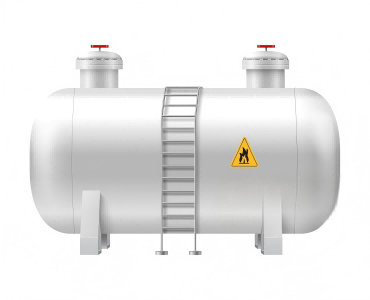
Hydrogen Fuel Cell Generator Methanol Low Pressure Storage Tank, Raw Material Feed System for On-site Hydrogen Production

1.Methanol Storage & Precise Feed Supply

Liquid methanol is stored in atmospheric low-pressure storage tanks and quantitatively conveyed as stable hydrogen feedstock. Based on real-time power load demand, methanol is pumped into the reforming unit, cooperating closely with internal methanol reformer components of the hydrogen fuel cell generator.

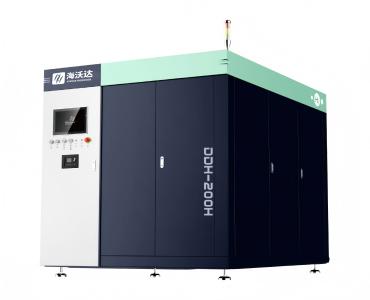
Methanol Reforming Hydrogen Production Unit, Core Hydrogen Generation Module of Hydrogen Fuel Cell Generator

2.Catalytic On-Site Hydrogen Production

Methanol mixed with demineralized process water gets vaporized and reacts under high-activity catalysts to produce high-purity hydrogen for fuel cell stacks. This catalytic reaction is the core procedure inside every methanol reforming hydrogen generator, laying the foundation for stable power generation of our hydrogen fuel cell generator.

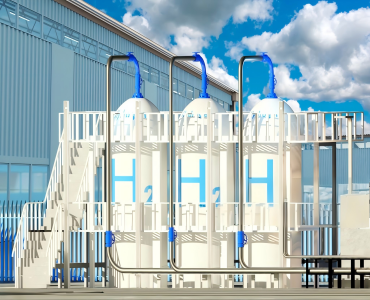
Hydrogen Buffer Storage Vessels, Hydrogen Pressure Stabilization Equipment for Hydrogen Fuel Cell Generator Power System

3.Hydrogen Buffer Stabilisation

Produced hydrogen flows into buffer vessels to stabilize gas pressure fluctuations, maintaining steady fuel supply to fuel cell stacks amid sudden load changes and ensuring uninterrupted running of the hydrogen fuel cell generator.

PEM Fuel Cell Stack Assembly, Electrochemical Power Generation Core Part of Hydrogen Fuel Cell Generator

4.Electrochemical Power Generation

High-purity hydrogen undergoes electrochemical reaction with oxygen in ambient air inside PEM fuel stacks to produce direct current electricity. Pure water and low-grade waste heat are the sole outputs, achieving zero-carbon power generation goals for industrial decarbonization.

Onboard Energy Storage System, Battery Peak Regulation & Black Start Module for Hydrogen Fuel Cell Generator

5.Battery Energy Balancing

Onboard energy storage system offsets instantaneous load surges and supports full black start without external mains power, improving the overall reliability of the hydrogen fuel cell generator integrated power station.

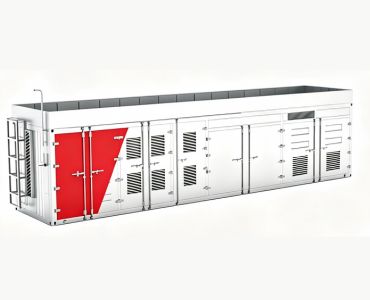
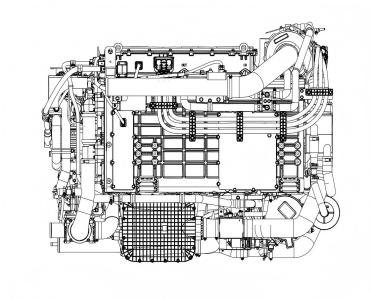
Power Conditioning System Internal Structure, DC-AC Conversion & Power Distribution Assembly of Hydrogen Fuel Cell Generator

6.AC Power Conversion & Distribution

Direct current generated by fuel stacks is converted into standard alternating current via power conditioning systems, which can be fed into public grids or directly supplied to on-site industrial loads for various renewable hydrogen applications.

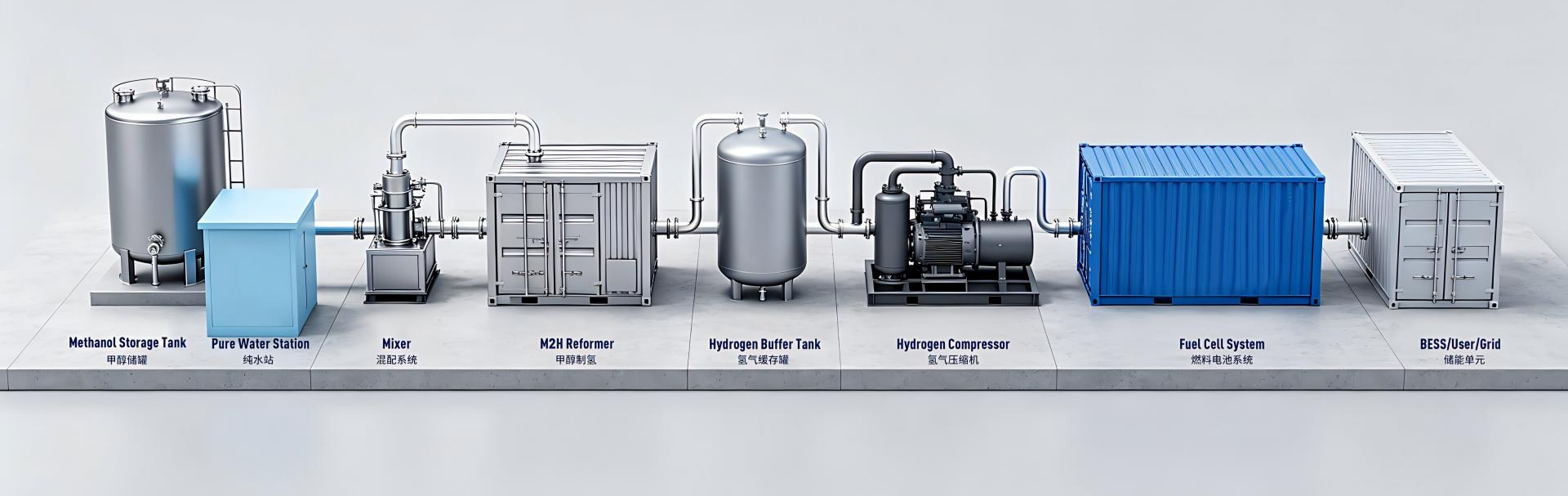
Complete Plant Architecture

Methanol Supply → Water Treatment → Proportional Mixing → On-Site Hydrogen Production → Hydrogen Buffer Storage → Hydrogen Compression → Fuel Cell Power Generation → Power Distribution & Energy Utilization. 
 
The hydrogen fuel cell generator is equipped with multi-layer hydrogen safety protection mechanisms, integrated with real-time data monitoring, intelligent fault diagnosis and remote operation functions. Featuring continuous hydrogen leak detection, automatic emergency shutdown, predictive maintenance reminders and 24/7 IoT remote monitoring, the system guarantees maximum operational safety, high availability and long-term stable power generation for industrial and clean energy projects.
Complete Plant Architecture Flow Chart of Hydrogen Fuel Cell Generator, Methanol-to-Hydrogen On-site Power Generation System Layout Including Storage, Reforming, Hydrogen Compression and Fuel Cell Power Distribution Modules

Applications

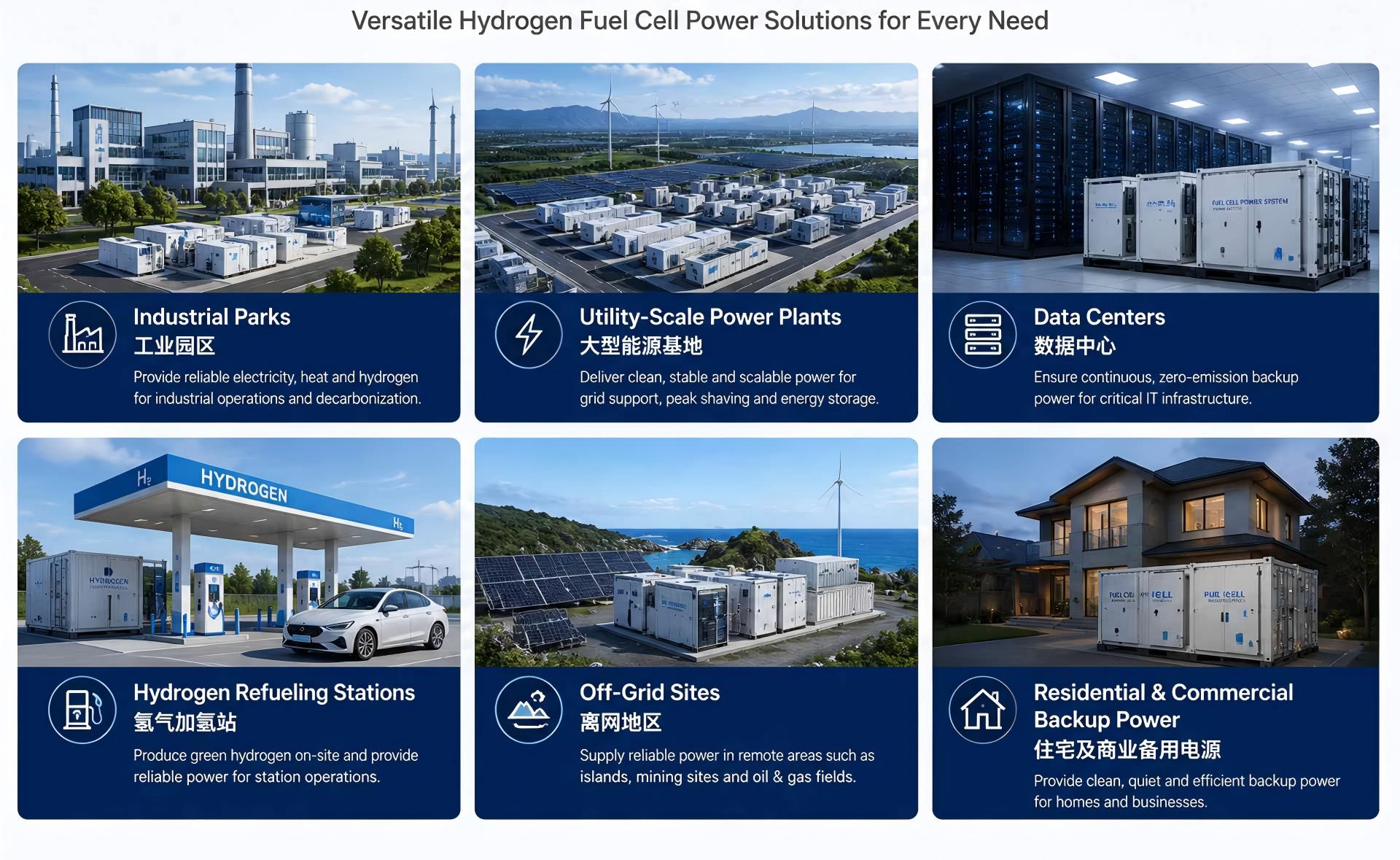
Application Scenarios Collage of Hydrogen Fuel Cell Generator, Multi-scene Zero-carbon Power Supply for Industrial Parks, Utility-Scale Power Plants, Data Centers, Hydrogen Refueling Stations, Off-grid Areas and Residential Commercial Backup Power

FAQ’S

What power capacity can the hydrogen fuel cell power plant deliver?

Our modular design supports standard 6kW and 15kW single skids; multiple units can be customized in parallel to reach megawatt utility capacity according to your load curve, applicable to all-scale projects equipped with the hydrogen fuel cell generator.

Does the fuel cell power station require full-time on-site operators?

Round-the-clock manual supervision is unnecessary. The PLC-IoT automatic control system enables unattended 24-hour running, remote fault notification and auto safety shutdown. In-house technicians can finish routine maintenance following the operation manual to manage hydrogen equipment and the hydrogen fuel cell generator easily.

Why select methanol-fed fuel cell systems over direct hydrogen fuel cell power plants?

Methanol is economical and low-risk liquid hydrogen carrier. It saves expensive high-pressure hydrogen transportation and large gas storage costs, while mature methanol reforming technology realizes on-demand hydrogen production, greatly improving the cost performance of the hydrogen fuel cell generator.

How complex is on-site installation of the fuel cell power skid?

All subsystems are pre-assembled, pre-calibrated and fully tested in factory. Commissioning for single skid equipment can be completed within 5–8 working days. Our service scope includes installation guidance, equipment calibration and operator training for the hydrogen fuel cell generator and supporting renewable hydrogen projects.

What noise level does the power plant generate during rated continuous operation?

Optimized low-vibration fans and liquid cooling system keep running noise below 75 dBA at 1-meter distance, meeting factory and commercial noise standards for indoor application of the hydrogen fuel cell generator.

What is the standard preventive maintenance cycle for the power station?

The official equipment manual records detailed inspection schedules, catalyst replacement cycles and fuel cell stack overhaul intervals. Monthly simple visual checks are required, while reforming catalyst replacement is only needed every 5 years under rated continuous operation, cutting long-term maintenance expenses of the hydrogen fuel cell generator.

wpChatIcon
wpChatIcon