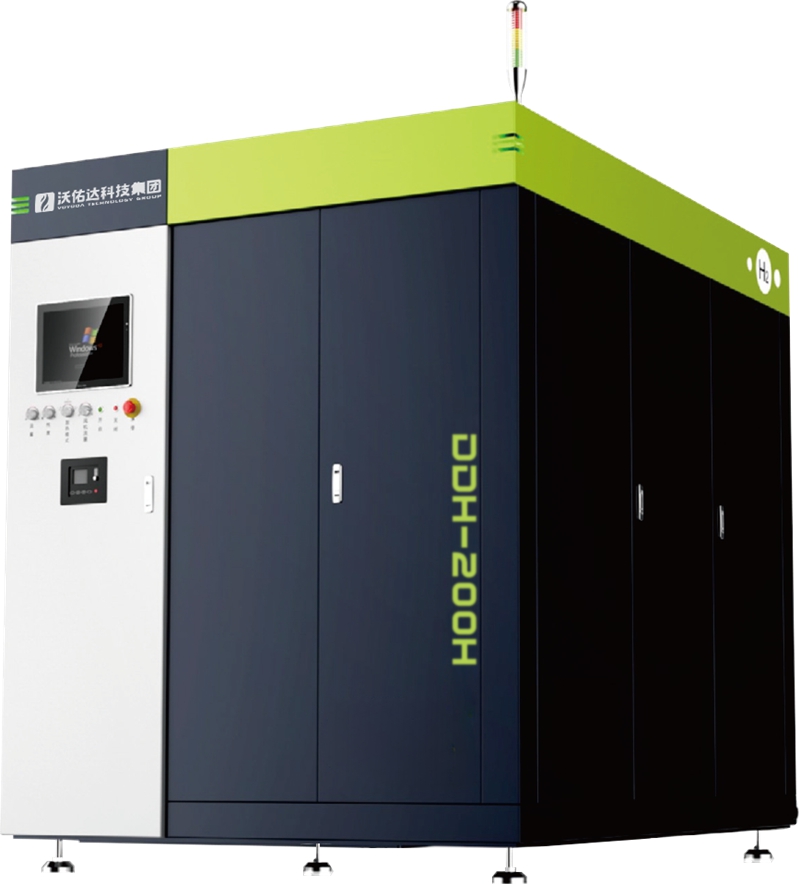
What adjustable molar ratios can this syngas generator configure for hydrocarbon mixture?
Custom molar ratios including standard 1:1 and 2:1 are available. The standard total purity of hydrocarbon mixture reaches 99.5 vol.%, upgradable to 99.99 vol.% via optional purification modules.
Does the syngas generator require full-time on-site operators?
Continuous manual supervision is unnecessary. The IoT-PLC automatic system runs round the clock with remote fault alerts and safety interlock triggers. Scheduled preventive maintenance can be completed by your in-house technical team following the official operation manual.
Can hydrocarbon mixture production capacity be expanded in the later stage?
The two standard models can be arranged in parallel layout to achieve unlimited capacity expansion, with stable hydrocarbon mixture ratios maintained under all operating loads.
What are the advantages of on-site methanol reforming production compared with bottled hydrocarbon mixture supply?
Our syngas generator avoids repeated gas procurement, high-pressure cylinder storage hazards and labor costs from frequent cylinder replacement. Output flow dynamically adapts to fluctuating production demands without supply interruption or purity deviation.
How long does on-site installation and commissioning take?
Installation and full commissioning of a single skid unit only take 5–7 working days, including equipment calibration and operator training services.
What noise level does the hydrocarbon mixture generation unit produce during steady rated operation?
Optimized blower and pump structures control noise below 75 dBA at a 1-meter measuring distance, fully complying with indoor noise standards for chemical plants.
Where can I obtain the complete maintenance schedule for catalysts and core components?
Detailed periodic inspection checklists, catalyst replacement timelines and overhaul standards are documented in the official operation manual. Monthly minor inspections are required, while core reforming catalyst only needs replacement every 5 years under continuous rated operation.