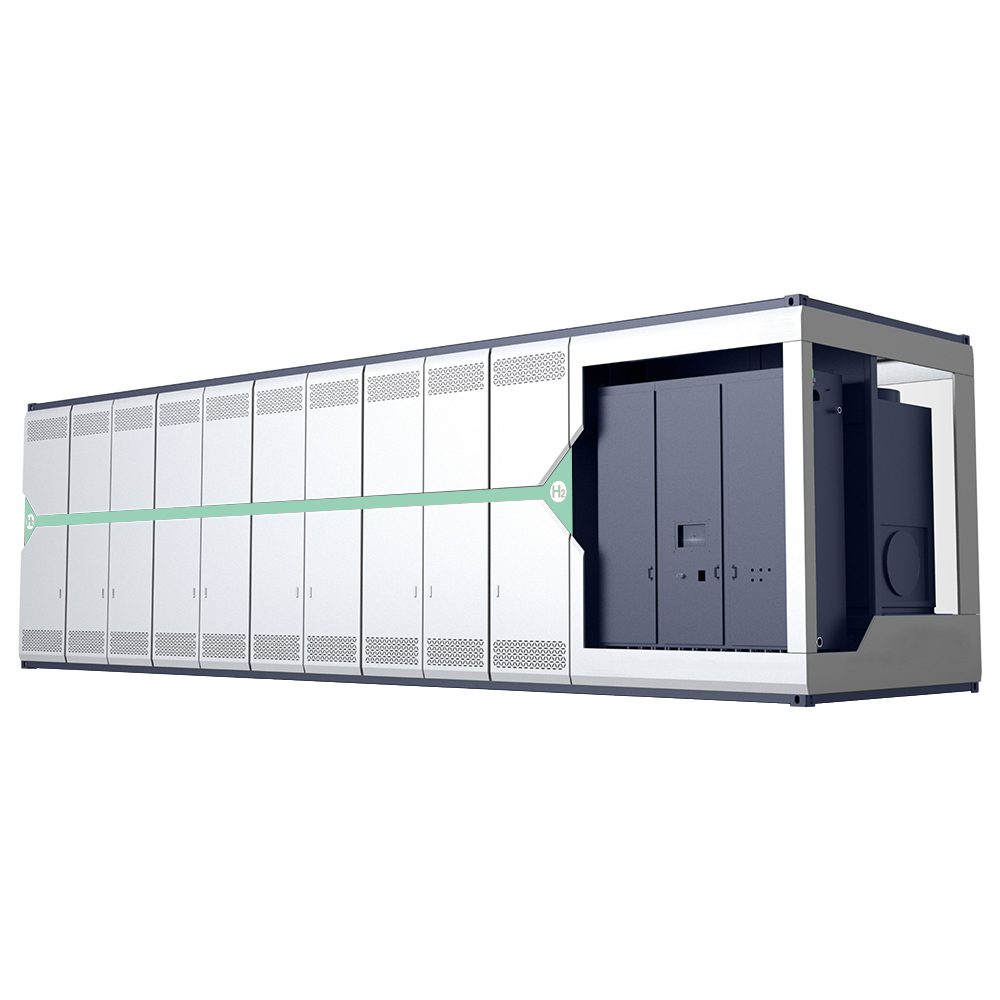
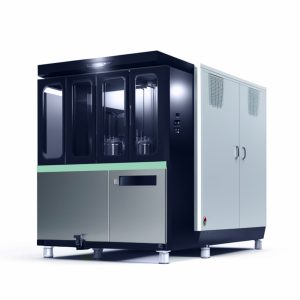
What hydrogen purity can the OPH hydrogen generator produce?
Our methanol reformer outputs stable 99.999% 5N hydrogen with -73 ℃ dew point, fully meeting demands of hydrogen refueling stations, chemical workshops and green hydrogen plant. Extra polishing module is available upon request.
Does the OPH hydrogen gas generator need full-time operators?
No constant manual supervision needed. The whole methanol reformer runs on automatic PLC control with remote monitoring. Our team offers systematic training covering methanol reforming operation for your technical staff to complete daily maintenance.
Can we customize flow rate and layout for our hydrogen production plant?
Yes. We provide tailor-made design for each hydrogen generator, including flow adjustment, pressure upgrade and split skid layout, matching the site space of your green hydrogen plant and Green Hydrogen Production Plant.
How long does installation and commissioning take?
All methanol reformer modules finish factory testing before shipment. On-site pipeline connection and debugging can be completed within 1–2 weeks for your hydrogen production plant. Our engineers provide full on-site guidance.
What about operating noise of the OPH hydrogen generator?
Fully enclosed sound insulation keeps noise below 75dbA at 1m, suitable for indoor workshop and outdoor green hydrogen plant installation.
What is the standard maintenance cycle for the methanol reformer?
We deliver complete operation manuals with each hydrogen gas generator. Monthly and quarterly routine inspection is required; core catalyst for methanol reforming only needs replacement every several years.