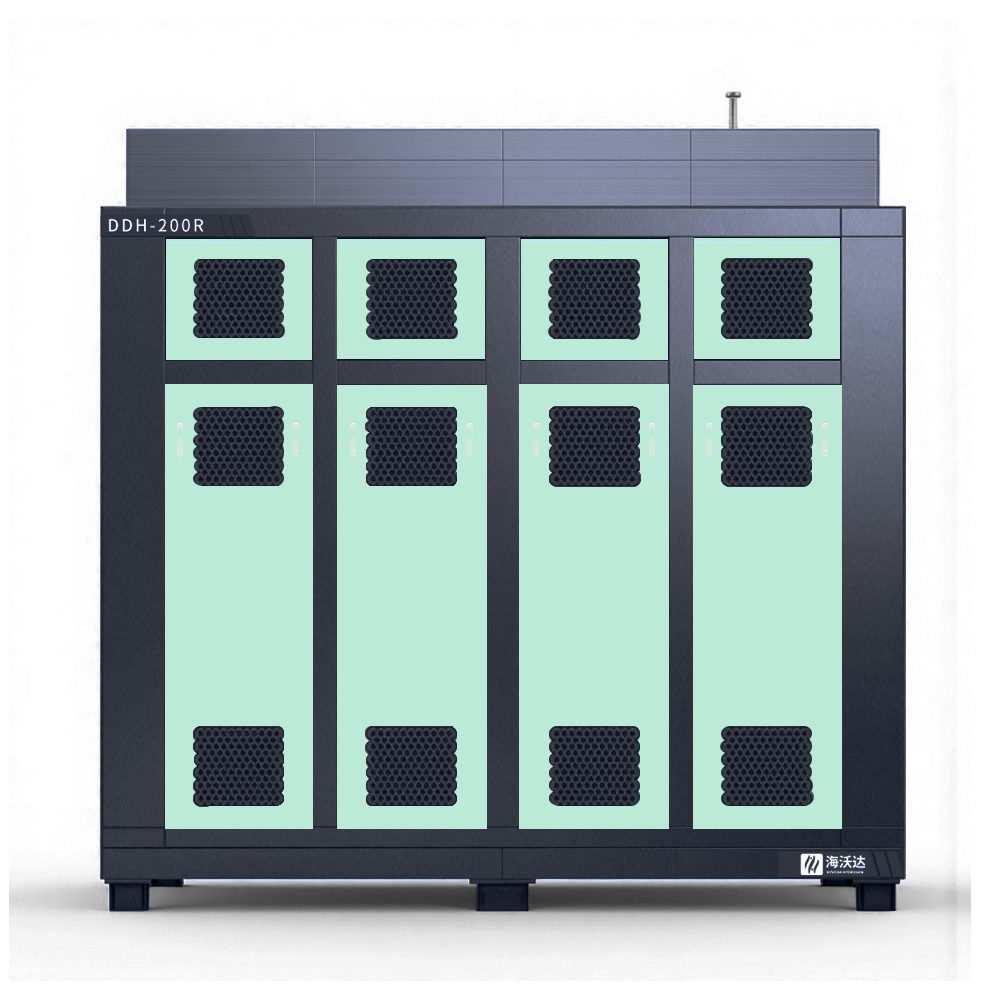
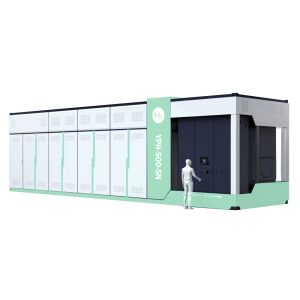
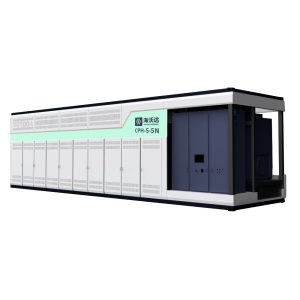
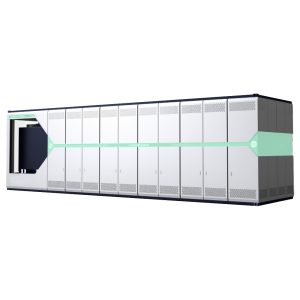
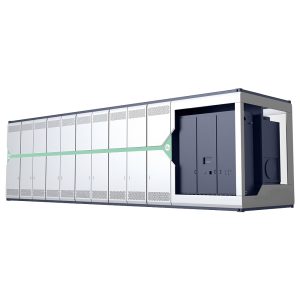
DDH-R Series Syngas Generator Based On Reforming Methanol

This syngas generator completes gas preparation through reforming methanol, supporting electric heating and waste heat recovery two operation modes. Generated hydrogen-rich syngas is mostly applied to industrial heating fuel. The crude syngas contains concentrated carbon dioxide, which can be equipped with CO₂ Capture devices to realize by-product carbon recycling.

Features

  • Hydrogen-rich gas production – Combustible content ≥95%, optimized for industrial combustion.
  • Dual heating modes – Supports electric heating or waste heat recovery.
  • Capacity range 30–1000 Nm³/h – Meets both small-scale and large-scale demands.
  • Explosion-proof skid-mounted design – Integrated hydrogen production and control systems.
  • Automated operation – Minimal operator intervention, remote monitoring capability.
  • Compact footprint – Easy integration into existing facilities.

Applications

  • Lower operating costs – Utilizes waste heat to reduce energy consumption.
  • High efficiency – Optimized methanol reforming for maximum hydrogen yield.
  • Customizable solutions – Tailored for specific hydrogen blending ratios and industrial needs.
  • Enhanced safety – Built to international explosion-proof and safety standards.
  • Long service life – Designed for 15 years of continuous operation.
  • Reduced carbon footprint – Enables partial or complete replacement of fossil fuels in combustion.

On-Site Production of High-Calorific Hydrogen-Rich Syngas

This professional syngas generator completes continuous fuel gas preparation through mature reforming methanol reaction. Different from high-purity hydrogen equipment equipped with PSA, this unit cancels adsorption and desorption purification links, retains CO₂ and CO components in crude gas to improve combustion calorific value, and directly delivers finished gas to combustion pipelines. The syngas produced in the reforming methanol process contains concentrated carbon dioxide components, which can be connected to supporting CO₂ Capture devices to separate and recover carbon resources, realizing closed-loop low-carbon operation for industrial heating projects.

Detailed Technical Principle of Reforming Methanol Dual-Heating Process

1. Core Reaction Introduction of Reforming Methanol

Reforming methanol is a typical endothermic catalytic reaction under constant temperature environment between 200 and 280 Celsius. After mixing and vaporization, methanol and desalinated water pass through copper-based catalyst inside the reactor, and crack into mixed gas mainly composed of hydrogen and carbon dioxide. A small amount of carbon monoxide will be generated in the auxiliary conversion reaction inside the reactor, which will stay in the finished syngas without separation treatment.

2. Dual Heating Technical Routes

  1. Independent electric heating: Built-in heating coil provides constant temperature environment required by reforming methanol, suitable for new factories without steam or flue waste heat;
  2. Waste heat recovery heating: Factory surplus flue gas or medium-temperature steam is introduced into reactor jacket to maintain stable reaction temperature, cutting auxiliary power consumption of the syngas generator.

3. Matching Logic With CO₂ Capture

The crude syngas discharged after reforming methanol maintains high carbon dioxide concentration and stable partial pressure. After simple cooling and dust removal treatment, the mixed gas can be shunted and delivered to CO₂ Capture supporting facilities for absorption and separation, so that recovered carbon dioxide can be reused as industrial raw materials to lower enterprise carbon emission index.

Core Advantages of DDH-R Syngas Generator

  • Two heating modes for reforming methanol, adapting different factory thermal source conditions to reduce comprehensive energy cost
  • No PSA purification configuration, fewer auxiliary equipment and lower daily maintenance workload of the syngas generator
  • 30–110% dynamic load tracking, stable gas output under fluctuating boiler and blending demand
  • Standard outlet pressure ≤0.4MPaG, matched customized booster skids for long-distance pipeline transportation
  • Reserved pipeline interface to dock CO₂ Capture system, supporting enterprise decarbonization transformation
  • Complete factory assembly & 72-hour full-load test; on-site pipeline debugging finished within 1–2 weeks
  • 15-year design service life of reforming methanol core catalyst
  • Modular parallel layout allows stepwise capacity expansion for large blending gate stations

DDH-R Series General Performance Benchmark Table

Parameter Item Standard Specification
Hydrogen Volume Fraction in Syngas 65 ~ 75 vol%
Total Combustible Components ≥95 vol%
Rated Delivery Pressure ≤0.4 MPaG
Product Gas Dew Point ≥ -10 ℃
Outlet Gas Temperature ≤40 ℃
Adjustable Operating Flow Range 30% ~ 110% of rated capacity of methanol reformer
Full Equipment Design Lifespan 15 years
Purification Configuration No PSA polishing, direct output from methanol reformer
Heating Options Built-in electric heating / external waste heat recovery for methanol reforming

DDH-R Series Full Model Parameter Table

Rated Syngas Output (Nm³/h) Methanol Consumption (kg/h) Circulation Pump Power (kW) Total Installed Auxiliary Power (kW) Cooling Water Demand (t/h) Instrument Air Consumption (Nm³/h) Overall Dimension L×W×Hmm
DDH-R-30 30 15 18 27 3100×2149×2820
DDH-R-70 70 35 42 60 3100×2149×2820
DDH-R-100 100 50 48 80 3100×2149×2820
DDH-R-150 150 75 90 135 3100×2149×3020
DDH-R-200 200 100 120 180 3100×2149×3020
DDH-R-300 300 150 135 180 8800×2200×3200
DDH-R-500 500 250 225 300 10500×2300×3200
DDH-R-800 800 400 360 480 11500×2460×3870
DDH-R-1000 1000 500 450 600 13570×2460×3950
Note: DDH-R hydrogen gas generator complete skid includes methanol reformer, cooling and heating subsystems. Auxiliary water systems are supplied separately. Consumption data is for reference only, subject to on-site heat source conditions of hydrogen production plant.

FAQ’S

What heating difference separates DDH-R and ODH methanol reforming hydrogen-rich gas generator

ODH only adopts thermal oil circulation heating, while DDH-R supports dual modes of electric heating and waste heat recovery, adapting more factory thermal source conditions for methanol steam reforming.

Can DDH-R syngas match CO₂ Capture & CO₂ Purification auxiliary equipment

The mixed gas from reforming methanol contains concentrated CO₂ components. Supporting carbon capture modules can recycle by-product carbon dioxide to realize industrial decarbonization for green hydrogen plant projects.

Why DDH-R has lower operating cost than PEM Electrolyzer for boiler fuel supply

PEM Electrolyzer consumes massive electricity to produce pure hydrogen. DDH-R methanol reforming uses liquid feedstock and optional waste heat input, greatly cutting power expenditure for long-term fuel gas supply.

How does DDH-R modular parallel layout guarantee stable gas supply

Multiple DDH-R skids can run synchronously; single unit maintenance will not shut down the whole pipeline, improving operation continuity for large natural gas hydrogen blending stations.

What on-site heat source conditions are available for DDH-R methanol reformer

Sites without waste heat can activate built-in electric heating; factories with residual steam or flue heat can switch waste heat mode to lower auxiliary power consumption of reforming methanol.

What raw material index avoids catalyst carbon deposition inside DDH-R reactor

Industrial methanol with purity above 99.85% and qualified demineralized water are required. Excessive sulfur impurities will deactivate reform catalyst and shorten continuous operation time.

Dual-Heating Reforming Methanol Working Flow

  • Feed Metering & Vaporization: Industrial methanol and demineralized water are proportionally mixed and preheated by syngas waste heat exchanger
  • Constant Temperature Heating Loop: Choose electric heating or factory waste heat to maintain the temperature required for reforming methanol reaction
  • Catalytic Reforming Methanol: Mixed vapor contacts proprietary catalyst to crack into hydrogen-rich combustible syngas
  • Cooling & Condensation: High-temperature crude gas cools down; unreacted methanol condensate recycles back to raw material tank
  • Direct Syngas Delivery: Unpurified mixed gas is sent to boilers or natural gas blending pipelines
  • Optional CO₂ Capture Branch: Part of syngas is shunted into supporting CO₂ Capture equipment for carbon recovery

Full Lifecycle EPC Turnkey Service Support

Service Phase Detailed Service Deliverables
Pre-Sales Custom Engineering Design Fuel gas calculation and layout design for hydrogen production plant hydrogen generator
Factory Pre-Assembly & Performance Validation Full assembly and 72-hour load test of each methanol reformer
On-Site Installation & Commissioning Pipeline construction and methanol reforming system calibration for green hydrogen plant
Systematic Operator Training Operation and maintenance training for the whole hydrogen gas generator
24/7 Global Remote After-Sales Support Remote troubleshooting and spare parts supply for Green Hydrogen Production Plant
Capacity Expansion & Retrofit Service Later flow upgrade and heating system modification for existing DDH-R methanol reformer
OEM & ODM Customization Custom skid structure and functional modules of hydrogen generator

Related products

wpChatIcon
wpChatIcon