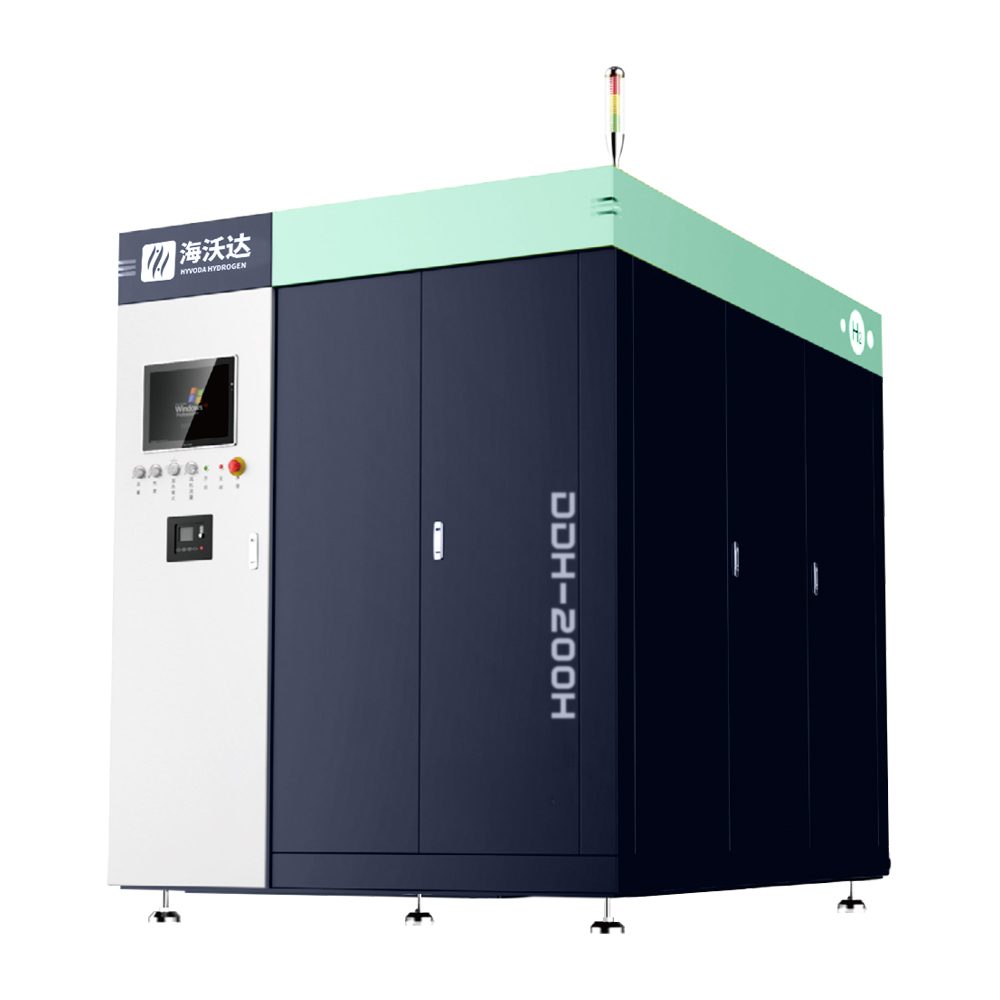
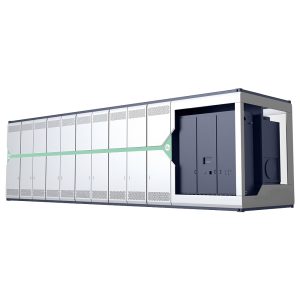
DDH-H Series Hydrocarbon Mixture Generation System Reducing Gas Unit

The DDH-H Series Intelligent Reducing Gas Generation System adopts electric heating as its heating source. The generated reducing gas, composed primarily of hydrogen and carbon monoxide, achieves a dew point below -35°C after professional drying treatment. It is ideally suited for reduction and atmosphere protection of metal powders and finished workpieces in industrial reduction furnaces.

Featuring low capital investment and minimal operational expenditure, this system delivers superior cost performance compared with traditional high-purity hydrogen generation equipment. The single-unit gas production capacity of the DDH-H series ranges from 30 Nm³/h to 200 Nm³/h.

Features

  • Uses methanol reforming & electric heating to make reducing gas
  • Output H₂-CO mixed gas with dew point under -35℃
  • Ideal for metal powder and workpiece furnace reduction
  • Far lower cost than standard high-purity hydrogen generator
  • Delivers faster ROI for hydrogen production plant projects
  • Stable, compact integrated methanol reformer unit
  • Matches various green hydrogen plant heat treatment lines

Applications

  • Metal powder reduction
  • Heat treatment in reducing atmosphere
  • Stainless steel manufacturing
  • Non-ferrous metal processing

On-Site Metallurgical Reducing Atmosphere Supply

This dedicated Hydrocarbon Mixture Generation System takes mature methanol reforming as core craft. Different from high-purity hydrogen devices with PSA, it retains carbon monoxide components inside hydrocarbon mixture to form strong reducing atmosphere. After molecular sieve deep dehydration, finished gas eliminates workpiece oxidation and discoloration risks. The whole system reserves pipeline ports to dock Industrial Gas Generation System & Recovery Systems, realizing cyclic utilization of unreacted methanol and low-value tail gas to cut raw material waste.

Detailed Technical Route: Electric-Heated Methanol Reforming & Deep Drying

1. Core Methanol Reforming Process Logic

Methanol reforming is a steady endothermic catalytic process running between 200–280℃. Mixed liquid of industrial methanol and demineralized water is metered, vaporized and heated by built-in electric heat exchangers, then flows through copper-based catalyst bed to crack into hydrogen-carbon mixed hydrocarbon mixture. Unreacted methanol is condensed and recycled to raw material tank to reduce feed consumption.

2. Deep Dew Point Control Technology

Crude hydrocarbon mixture after reforming carries saturated water vapor. Built-in molecular sieve drying tower continuously adsorbs residual moisture, stably controlling product gas dew point under -35℃, avoiding water-induced oxidation defects during metal bright heat treatment. No PSA hydrogen separation procedure is configured to keep effective reducing CO components in syngas.

3. Matching Logic With Industrial Gas Generation System & Recovery Systems

Condensed methanol liquid and post-process tail gas discharged from this Hydrocarbon Mixture Generation System can be collected by supporting Industrial Gas Generation System & Recovery Systems. Recycled methanol re-enters the reforming feed pipeline, while low-calorie tail gas can be reused as auxiliary heating fuel for the electric heating loop of methanol reforming, lifting overall energy utilization efficiency.

Core Advantages of DDH-H Hydrocarbon Mixture Generation System

  • Self-contained electric heating loop, no dependence on factory steam or waste heat for methanol reforming
  • Integrated drying module ensures ultra-low dew point hydrocarbon mixture, improving finished metal surface quality
  • Lower comprehensive investment compared with ammonia cracking and single high-purity hydrogen schemes
  • Complete factory assembly and 72-hour full-load test; on-site commissioning finished within 1–2 weeks
  • 30%–110% dynamic load adjustment adapts intermittent batch furnace production
  • Max 0.9MPa delivery pressure with customizable booster skids for long pipeline transportation
  • Reserved interface to link Industrial Gas Generation System & Recovery Systems for cyclic production
  • 15-year design service life of methanol reforming core catalyst and drying adsorbent

DDH-H Series General Performance Benchmark Table

Parameter Item Standard Specification
Hydrogen Volume Fraction in Syngas 65 ~ 75 vol%
Rated Delivery Pressure ≤0.9 MPaG
Product Gas Dew Point < -35 ℃
Outlet Gas Temperature ≤40 ℃
Adjustable Operating Flow Range 30% ~ 110% of rated capacity of methanol reformer
Full Equipment Design Lifespan 15 years
Purification & Drying Configuration No PSA hydrogen separation, single-stage deep drying matched with methanol reforming
Heating Mode Independent built-in electric heating for methanol reformer

DDH-H Series Full Model Parameter Table

Model Code Rated Reducing Gas Output (Nm³/h) Methanol Consumption (kg/h) Total Installed Power (kW) Overall Dimension L×W×Hmm
DDH-H-30 30 15 18 3100×2149×2350
DDH-H-70 70 35 42 3100×2149×2820
DDH-H-150 150 75 90 3100×2149×3020
DDH-H-200 200 100 120 3100×2149×3020
Note: DDH-H hydrogen gas generator skid contains methanol reformer, electric heating and drying subsystems. Cooling and desalinated water systems are supplied separately. Power and consumption data are reference values for hydrogen production plant layout design.

FAQ’S

What functional difference separates DDH-H and DDH-R methanol reforming hydrogen generator

DDH-H integrates deep drying to produce low-dew reducing gas for metal annealing. DDH-R outputs raw combustible syngas without drying, only used for boiler fuel and pipeline hydrogen blending.

Can DDH-H reforming syngas be matched with CO₂ Capture auxiliary devices

Methanol steam reforming generates syngas containing concentrated CO₂. Supporting CO₂ Capture & CO₂ Purification equipment recycles carbon byproducts to fulfill industrial decarbonization targets.

Why DDH-H has better economic benefits than ammonia cracking equipment

Methanol reforming raw material transportation cost is lower than liquid ammonia. DDH-H avoids ammonia storage safety risks and complex tail gas treatment procedures for metal heat treatment workshops.

How does built-in molecular sieve drying guarantee workpiece surface quality

The drying module inside DDH-H removes residual water vapor, keeping syngas dew point below -35 ℃, preventing metal oxidation, discoloration and surface defects during reduction furnace processing.

Can multiple DDH-H skids run in parallel to serve multi-furnace production lines

All DDH-H models support modular parallel layout. Users add units gradually according to furnace expansion without one-time large capital investment.

What utility condition is mandatory to run DDH-H methanol reformer stably

DDH-H adopts independent electric heating design, no factory waste heat or steam required, suitable for metallurgical plants without residual heat recovery loops.

Complete Electric-Heated Methanol Reforming & Drying Flow

  • Feed Metering & Vaporization: Proportional methanol and demineralized water are heated by built-in electric heat exchangers
  • Catalytic Methanol Reforming: Superheated mixed vapor contacts catalyst to form hydrogen-carbon hydrocarbon mixture
  • Cooling & Condensation: High-temperature syngas cools down, excess methanol condenses for recycling
  • Deep Molecular Sieve Drying: Residual moisture is removed to stabilize gas dew point below -35℃
  • Reducing Gas Output: Dry hydrocarbon mixture delivered directly to metallurgical reduction furnaces
  • Optional Gas Recovery Branch: Condensate and waste tail gas diverted to Industrial Gas Generation System & Recovery Systems

Full Lifecycle EPC Turnkey Service Support

Service Phase Detailed Service Deliverables
Pre-Sales Custom Engineering Design Furnace gas demand calculation and layout planning for hydrogen production plant hydrogen generator
Factory Pre-Assembly & Performance Validation Full assembly and 72-hour full-load test of each methanol reformer
On-Site Installation & Commissioning Pipeline construction and methanol reforming system calibration for green hydrogen plant
Systematic Operator Training Operation, maintenance and hydrogen safety training for the whole hydrogen gas generator
24/7 Global Remote After-Sales Support Remote fault diagnosis and global spare parts supply for Green Hydrogen Production Plant
Capacity Expansion & Retrofit Service Gas flow upgrade and pressure adjustment for existing DDH-H methanol reformer
OEM & ODM Customization Skid structure modification and private labeling of hydrogen generator

Related products

wpChatIcon
wpChatIcon